
One acid treats acne, rosacea, and melasma with solid clinical trial data behind each use, and it’s gentle enough for most sensitive skin types. Azelaic acid rarely gets the spotlight that retinoids and vitamin C receive, but the research backing it is arguably stronger. Here’s what it does, how it compares to the alternatives, and who should be using it.
What Azelaic Acid Actually Is
Azelaic acid is a naturally occurring dicarboxylic acid with nine carbon atoms, first identified as a byproduct of Malassezia, the same yeast that lives on human skin and plays a role in the microbiome. It’s found in small amounts in wheat, rye, and barley, though topical formulations use a synthesized, concentrated version to achieve therapeutic effects.
Its molecular structure allows it to interact with skin cells in several distinct ways, which is part of why it’s used for such a wide range of concerns rather than a single, narrow purpose.
How It Works: Four Mechanisms
| Mechanism | What It Does |
|---|---|
| Antibacterial | Targets Cutibacterium acnes and other bacteria linked to breakouts |
| Anti-inflammatory | Reduces inflammatory signaling involved in acne and rosacea flares |
| Tyrosinase inhibition | Blocks the enzyme responsible for excess melanin production, fading dark spots |
| Anti-keratinizing | Normalizes how skin cells shed, helping prevent clogged pores |
This combination is unusual. Most active ingredients target one pathway well; azelaic acid works across four, which explains why it shows up as a treatment option for such different skin concerns.
The Evidence, Condition by Condition
| Condition | Finding |
|---|---|
| Rosacea | Multiple randomized trials show azelaic acid 15% significantly reduces inflammatory lesions and redness compared to placebo |
| Acne | Comparable results to tretinoin and benzoyl peroxide in head-to-head studies, with fewer reports of irritation |
| Melasma | At 24 weeks, 73.8% of patients using azelaic acid 20% achieved “excellent or good” results, compared to 19.4% with 2% hydroquinone |
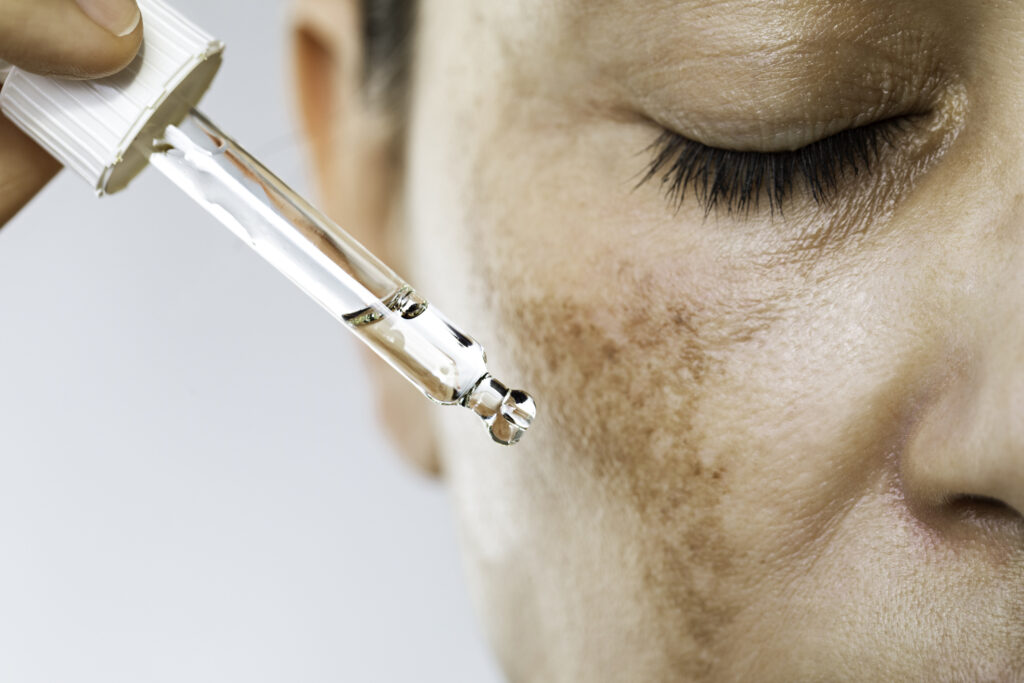
The melasma data stands out. Hydroquinone has long been treated as the gold standard for pigmentation, yet azelaic acid outperformed it substantially in this trial. That said, researchers note the evidence for anti-aging claims specifically is still limited, so any wrinkle-focused marketing outpaces what the trials currently show.
Azelaic Acid vs. the Alternatives
| Comparison | Result |
|---|---|
| Vs. hydroquinone | Outperformed hydroquinone in melasma trials, with a lower risk of the rebound pigmentation hydroquinone can sometimes cause |
| Vs. tretinoin | Similar acne-clearing results, with less dryness and peeling reported |
| Vs. benzoyl peroxide | Comparable antibacterial effect, without the bleaching risk on fabric or hair |
This is where azelaic acid earns its “underrated” reputation. It isn’t necessarily more potent than these alternatives, but it tends to deliver similar results with a lower irritation burden, which matters for people who can’t tolerate stronger actives.
Who Should Use It, and How
- Concentration: OTC formulas typically range from 10% to 15%; prescription-strength versions go up to 20%
- Sensitive skin: Generally well-tolerated, though a mild tingling sensation on application is common and usually temporary
- Pregnancy: Classified as a pregnancy-safe option by dermatologists, unlike retinoids or high-dose salicylic acid
- Pairing: Works well alongside niacinamide and sunscreen; caution when combining with strong exfoliating acids, since layering multiple actives can increase irritation risk
- Timeline: Visible improvement in pigmentation and acne typically takes eight to twelve weeks of consistent use
Frequently Asked Questions
Can you use azelaic acid every day?
Yes, daily use is standard and is how most clinical trials achieved their results. Some people start with alternate-day use to build tolerance before moving to daily application.
Can it replace hydroquinone?
For many people, yes. Trial data shows it can outperform 2% hydroquinone for melasma, with a lower risk of long-term side effects like rebound darkening.
Is it safe during pregnancy?
It’s one of the few actives considered safe during pregnancy, making it a common recommendation for patients who need to pause retinoids or stronger acids.
🧪 Lab Verdict
Azelaic acid doesn’t get the marketing attention that retinoids and vitamin C do, but the clinical trial data tells a different story. It has evidence across three separate conditions, acne, rosacea, and melasma, and in the case of melasma, it beat the long-standing gold standard treatment outright. Its biggest advantage isn’t raw potency; it’s the combination of solid results with a lower irritation profile, which makes it one of the few actives suitable for sensitive skin, pregnancy, and long-term daily use. The one claim to be skeptical of is anti-aging marketing, since the trial evidence there remains thin. For pigmentation, acne, or rosacea, this is a strong, well-supported option worth moving up your priority list.
References
- (2014). Azelaic acid: properties and mode of action. Skin Pharmacology and Physiology, 27(Suppl 1), 9–17. https://pmc.ncbi.nlm.nih.gov/articles/PMC10809820/
- (2023). A systematic review to evaluate the efficacy of azelaic acid in the management of acne, rosacea, and melasma. Journal of Dermatological Treatment. https://pubmed.ncbi.nlm.nih.gov/37550898/
- Dermatology Advisor. (2023). Azelaic acid effectively treats rosacea, acne vulgaris, and melasma. https://www.dermatologyadvisor.com/news/azelaic-acid-effective-treatment-rosacea-acne-vulgaris-melasma/
- (2024). Effects of 15% azelaic acid gel in the management of post-inflammatory hyperpigmentation. Journal of Cosmetic Dermatology. https://pubmed.ncbi.nlm.nih.gov/38734843/
- (2015). Azelaic acid: evidence-based update on mechanism of action and clinical application. Journal of Drugs in Dermatology. https://jddonline.com/articles/azelaic-acid-evidence-based-update-on-mechanism-of-action-and-clinical-application-S1545961615P09
- (2025). A comprehensive review of azelaic acid pharmacological mechanisms and clinical applications. PMC. https://pmc.ncbi.nlm.nih.gov/articles/PMC12472904/
Leave a Reply