
Ingredient Science
A closer look at the ingredients in your skincare, what they actually do on your skin, and how they hold up against the research. No hype, just what the studies say.
-
Tranexamic Acid for Dark Spots: Does It Help Melasma?
Learn what tranexamic acid does for melasma and dark spots, how to use a topical TXA serum, and when dermatologist-led treatment may be needed.
-
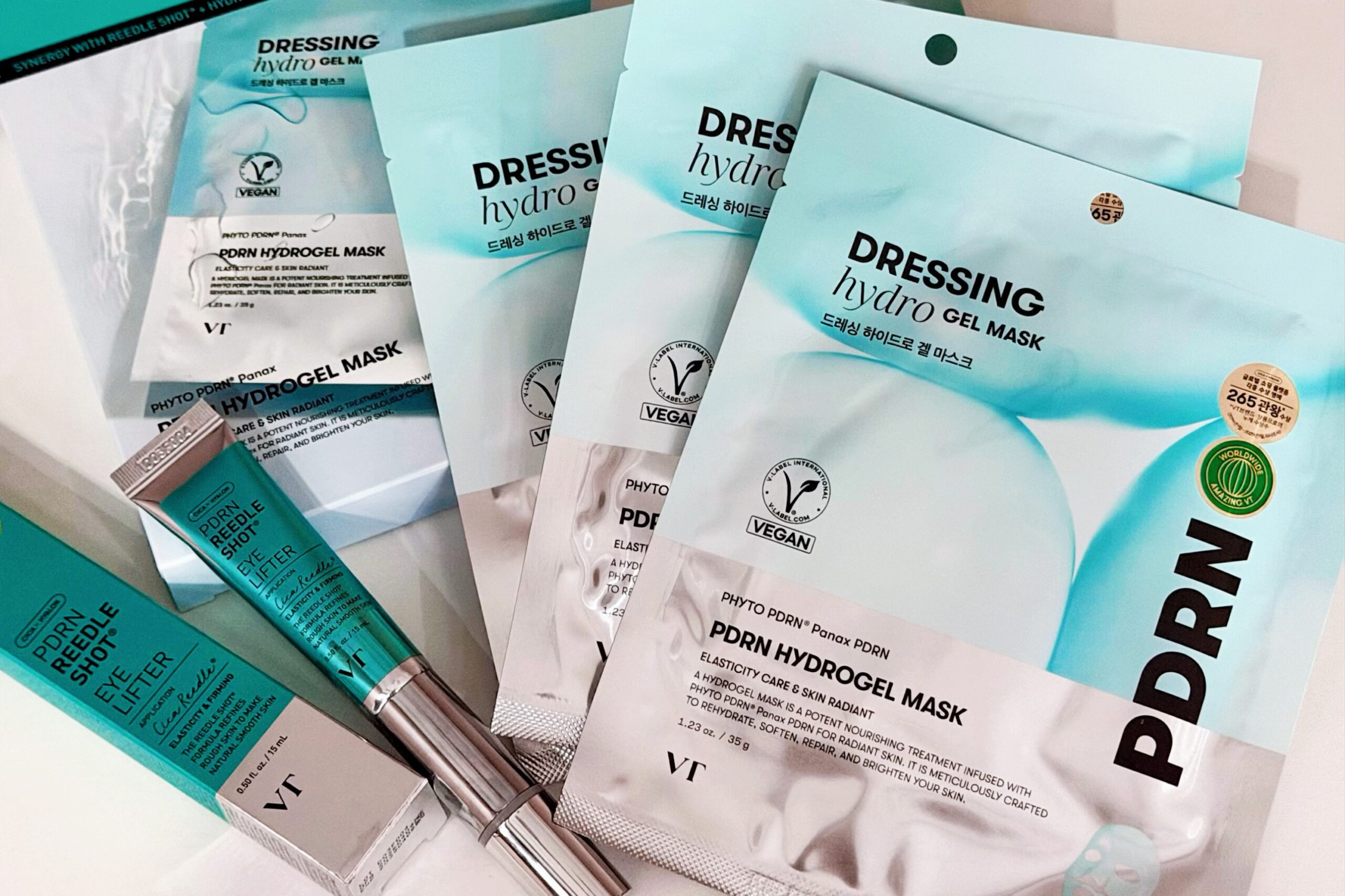
Honest Review of VT Cosmetics Vegan PDRN Mask & Eye Lifter
An honest review of VT Cosmetics’ Vegan PDRN Hydrogel Mask and PDRN Reedle Shot Eye Lifter, tested against the real science on topical PDRN.
-
What’s Really in Your “Skin Milk”? An Ingredient Breakdown
What’s really in ‘skin milk’? A breakdown of the ingredients behind the trend, from lactic acid to ectoin, backed by clinical science.
-
PDRN Skincare: What’s Actually in the Serum vs. the Injection
PDRN and its close relative PN are behind Korea’s biggest skin-booster trend. Here’s what the injectable evidence shows and what that means for your serum.
-
Salicylic Acid for Acne: The Science, Concentration, and Myths
Salicylic acid is the internet’s go-to acne fix, but the discourse around it is full of myths. Here’s the real science behind concentration, mechanism, and safe use.
-

Why Niacinamide Ended Up in Nearly Every Serum
Niacinamide shows up in nearly every serum for a reason. Here’s what it does, the right concentration, and why the vitamin C myth is wrong.
-
Benzoyl Peroxide: Why More Percentage Isn’t Better for Acne
Benzoyl peroxide clears acne fast, but higher strength isn’t always better. See what the research says about concentration, irritation, and results.
-

Azelaic Acid: The Multi-Tasking Acid Dermatologists Love
One acid, three conditions, strong clinical evidence. Here’s what azelaic acid actually treats, how it works, and why it’s safer than most alternatives.
-

Your Eye Cream Runs on Caffeine: Here’s What It’s Really Doing
Caffeine is everywhere in eye creams and body serums, but does it live up to the hype? We break down the real mechanisms, the evidence, and the myths.
-

Peptides vs. Retinoids: Two Paths to the Same Destination — and Why You Might Want Both
Peptides and retinoids both target collagen and aging, but they work differently. Here’s how each one works, and how to use them together.