
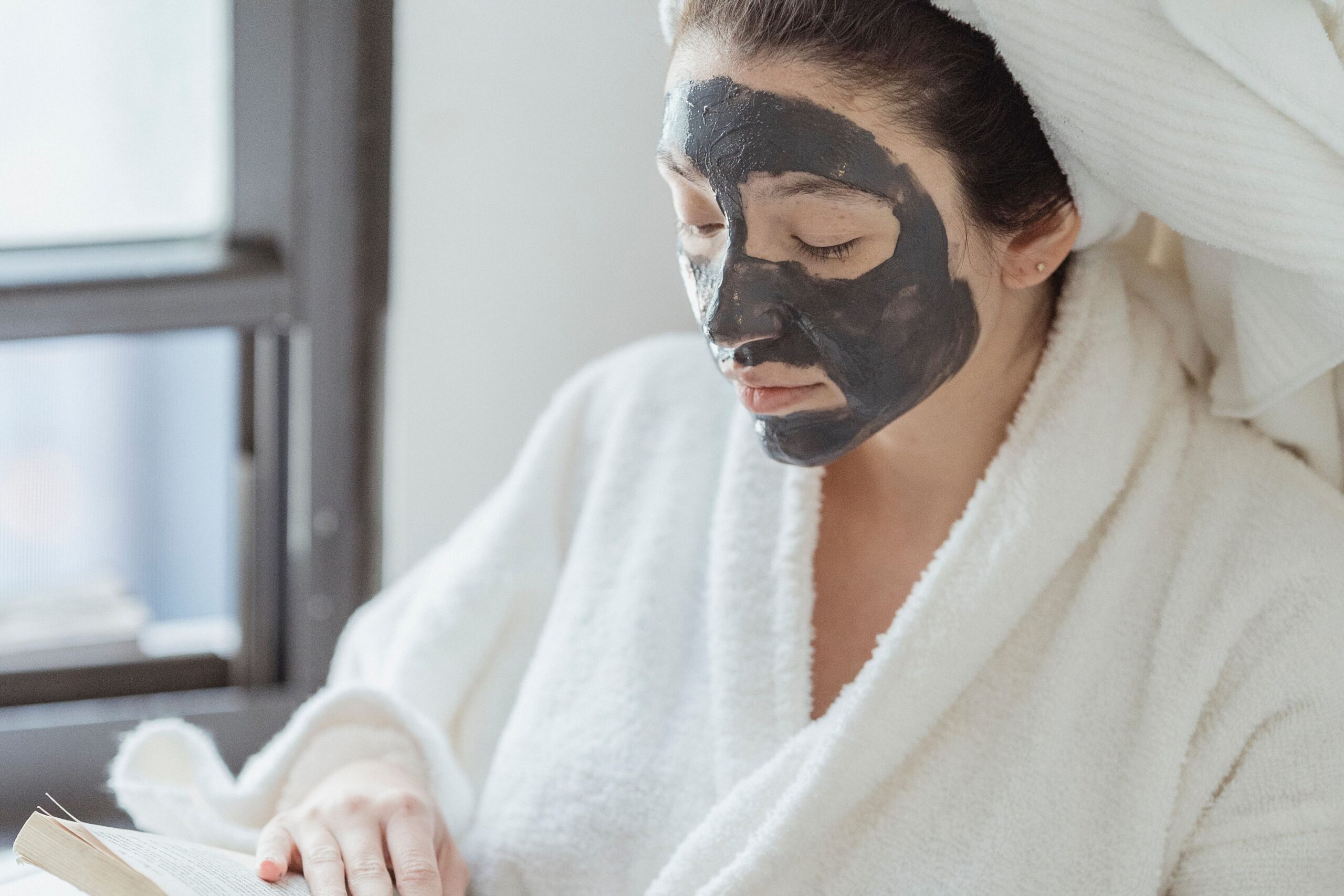
The short answer is no, not in the way the label implies. Dermatologists are consistent on this point: the skin does not detoxify the body, and no topical product can pull “toxins” out through your pores. That doesn’t mean charcoal masks and clay treatments do nothing, it means what they actually do has nothing to do with detoxing, and understanding that distinction can save you from paying for a claim that isn’t real.
What does “Detox” Actually Means, Physiologically?
Detoxification is a specific biological process, and it happens in organs built for it. The liver metabolizes toxins, the kidneys filter them out of the blood, and the lymphatic system clears cellular waste. Skin isn’t part of that system.
Its primary job is the opposite: it’s a one-way barrier designed to keep substances out, not a pathway built to eliminate them. This is the core reason dermatologists push back so directly on the marketing language. Skin detoxification isn’t a recognized physiological process; it’s a term borrowed from wellness marketing rather than clinical dermatology.
The Sweat Myth, Specifically

Sweating does release trace amounts of substances like urea and salts, which is where the detox idea likely originated. But this is a minor byproduct of thermoregulation, your body cooling itself down, not a meaningful toxin-removal mechanism.
The kidneys and liver handle the actual filtering; sweat glands aren’t built for that job, and the concentration of anything released through sweat is far too small to meaningfully offload toxins compared to what the liver and kidneys process continuously. This is worth understanding because it undercuts a related claim that often travels alongside skin detox marketing, the idea that saunas, hot yoga, or heavy workouts “detox” skin through sweating. The mechanism simply isn’t there.
Why the Skin Detox Claim Persists
“Detox” became a wellness marketing term long before it had any connection to its clinical definition, and that gap is exactly why the claim has stuck around.
Part of the appeal is psychological. When a mask tingles, tightens, or visibly pulls oil out of pores, it feels like something is being extracted. That sensation gets misread as “toxins leaving,” when it’s really just a mechanical or chemical reaction on the skin’s surface, oil absorption, mild exfoliation, or a temporary pore-tightening effect.
One area does have legitimate science behind it: the gut-skin axis. Research increasingly links gut health to skin conditions like acne and inflammation, but that’s an internal, dietary connection, not something a topical mask can influence. It’s worth distinguishing from detox marketing because it’s often lumped in incorrectly, and it’s a good example of how a real scientific concept gets borrowed to lend credibility to an unrelated product claim.
Case Study: Do Charcoal Masks Work?
Activated charcoal is marketed as a “micro-sponge” that traps oil, dirt, and impurities when applied to skin. That mechanism sounds plausible, but the evidence doesn’t support it as a purifying treatment.
| Claim | What the Studies Show |
|---|---|
| Charcoal removes toxins from skin | No clinical evidence supports this specific claim |
| Charcoal has anti-aging benefits | Studies haven’t proven any specific beneficial effect on skin aging |
| Charcoal absorbs excess oil | This part is true, it’s a real, if temporary, cosmetic effect |
| Charcoal shrinks pores permanently | No evidence for permanent pore size reduction; any tightening is temporary |
Charcoal masks can reduce surface shine for a few hours, but that’s oil absorption, not detoxification. Given that plain clay or a basic oil-absorbing cleanser can produce a similar effect at a fraction of the price, the premium charcoal products often charge is largely paying for the word “detox” on the label rather than a meaningfully different result.
Case Study: Clay Masks, Detox Teas, and Patches
Clay masks work through a similar, more legitimate mechanism than charcoal, they do absorb surface oil. The problem is the same one: that function gets marketed with “detox” language that overstates what’s actually happening. The clay isn’t drawing toxins from deep within skin tissue; it’s binding oil and debris sitting on the surface.

Detox teas and foot patches have essentially no dermatological basis for skin-related claims at all. Foot patches in particular are a frequently cited example of detox marketing with no supporting mechanism, the patches don’t interact with any actual detox pathway in the body, and any discoloration on a used patch is typically just a reaction with moisture and heat, not evidence of extracted toxins.
Across all three product types, charcoal, clay, and teas/patches, the pattern repeats: a real, minor cosmetic function gets rebranded with a scientific-sounding claim that doesn’t hold up, and consumers end up paying detox-tier prices for exfoliation-tier results.
What Topical Products Can Really Do
None of this means these products are worthless, it just means their real benefits are more modest than their marketing suggests.
- Exfoliation: Removing dead skin cells supports the skin’s natural shedding process and can improve texture over time.
- Oil absorption: Clay and charcoal masks do reduce surface oil and shine, temporarily and cosmetically.
- Barrier support: The legitimate, evidence-backed goal for skin health is maintaining barrier function, not detoxifying it.
If a product description leans heavily on “detox,” “purify,” or “draw out toxins,” treat that as marketing language layered on top of a much simpler mechanism, usually oil absorption or exfoliation. That reframing alone can help you evaluate whether a product’s price actually matches what it delivers.
🧪 Lab Verdict
“Skin detox” is a marketing phrase layered onto real but modest skincare functions, oil absorption, exfoliation, and temporary shine control. The skin isn’t wired to eliminate toxins, that job belongs to the liver, kidneys, and lymphatic system, and no mask or patch changes that. Products like charcoal and clay masks can still earn a spot in a routine, just for what they actually do rather than what the label promises, and recognizing that difference is the easiest way to stop overpaying for a claim that isn’t backed by evidence.
FAQs
Does sweating detox your skin?
Not meaningfully. Sweat does release trace urea and salts, but this is a byproduct of cooling the body, not a toxin-removal process; the liver and kidneys handle actual detoxification.
Do charcoal masks remove toxins?
No clinical evidence supports this claim. Charcoal masks can absorb surface oil temporarily, but that’s a cosmetic effect, not detoxification.
Is there any scientific basis for skin detox products?
Not for the detox claim specifically. The gut-skin axis has real supporting research, but that’s about diet and internal health, not topical products.
Reference
- Healthline. (2019). 8 Things You Need to Know About ‘Skin Detoxing’. https://www.healthline.com/health/beauty-skin-care/skin-detox
- Medical News Today. (2022). Skin detox: What it is, how it works, and more. https://www.medicalnewstoday.com/articles/skin-detox
- UPMC. (2018). Do Charcoal Face Masks Work? The Benefits of Charcoal for Skin. https://share.upmc.com/2018/03/benefits-charcoal-face-mask/
- WebMD. (2023). What to Know About Skin Detoxifying. https://www.webmd.com/beauty/what-to-know-skin-detoxifying
- Skin + Me. (2024). Myth Buster: Skin Detoxing. https://www.skinandme.com/the-dose/myth-buster-can-you-really-detox-your-skin/
Leave a Reply