
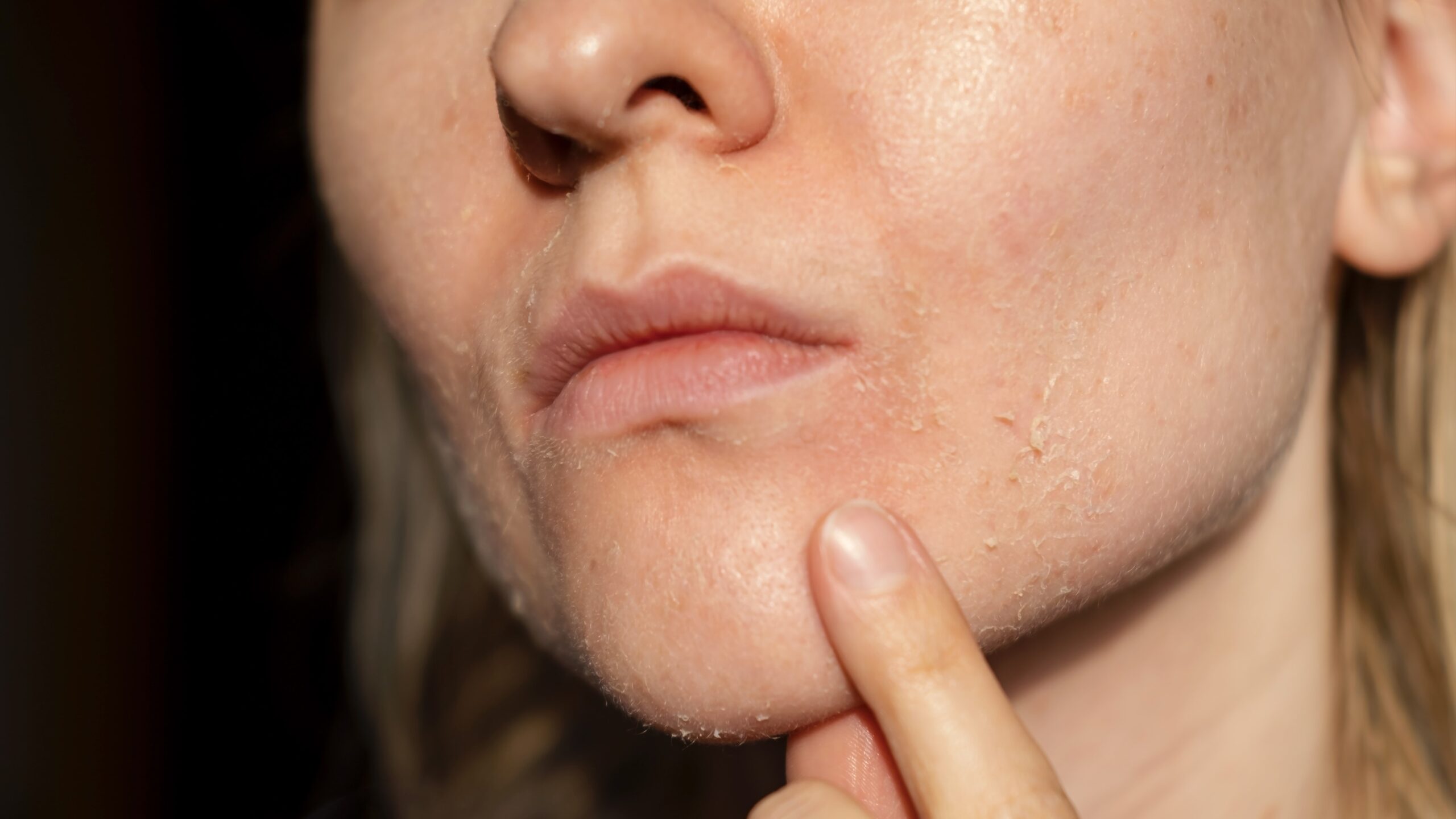
Hyaluronic acid is supposed to hydrate the skin. When your face feels tight or dry after applying it, it’s natural to question whether the product is doing the opposite of what it promised.
Research shows that HA-containing formulas can improve hydration. Still, a product can leave your skin uncomfortable, provide less moisture than you need, or simply not fit your routine. Here, we investigate whether hyaluronic acid can actually dry out your skin, and what to change when your product leaves you feeling worse.
Can Hyaluronic Acid Actually Dry Out Your Skin?
Hyaluronic acid is a humectant, an ingredient that attracts and binds water. In skincare, that helps increase water content in the outer layer of the skin.
So where does that water come from? Humectants can draw moisture from deeper skin layers and the surrounding environment. They don’t rely solely on humid air. Pulling water toward the surface is part of their moisturizing role. The next question is how well they retain that water.
Moisturizers often combine ingredients with different jobs: humectants attract water, emollients smooth and soften, and occlusives reduce evaporation. Moisturizers often perform several of these functions at once.
The situation with dehydration has some basis in how humectants and occlusives work. Some humectants can increase transepidermal water loss (TEWL) without an accompanying occlusive moisturizer. However, this statement doesn’t specifically identify hyaluronic acid as the cause.
It also cannot tell us what a specific HA serum or cream will do. A finished product often contains more than HA, so its overall performance depends on the whole formulation.
So “hyaluronic acid steals water from your skin” is too crude an explanation. We need to look at what happens when researchers test actual products.
What Does the Research Show?
In a controlled trial involving 36 older adults with dry skin, researchers compared three lotions applied to separate areas of each participant’s legs. One contained low-molecular-weight HA, another contained high-molecular-weight HA, and the third was the base formula without either addition.
After 4 weeks, the low-molecular-weight formula produced greater measured hydration than the other two. The groups showed no significant differences in water loss or clinical symptom scores, and no side effects were reported.
In this study, adding HA to a lotion improved hydration rather than drying the skin. That challenges the idea that hyaluronic acid inevitably draws moisture out of the skin and leaves it dehydrated.
Still, we need to look more into why your particular serum leaves your face feeling tight. To figure out what to change, look beyond HA alone and consider the full product, the rest of your routine, and whether you are experiencing dryness or irritation.
Why Might Your Skin Feel Dry After Using It?
Your experience still matters. A product can be a poor fit even when HA has scientific support. There are several possibilities that we can discuss.
The formula may provide less moisturization than you need
A lightweight serum can feel refreshing when applied yet leave your skin feeling dry afterward. That suggests insufficient overall moisturization, not that the product is actively removing water from your skin.
Look more closely at what you are using, not just the ingredient highlighted on the packaging. An HA-containing cream may already combine water-binding and moisture-retaining ingredients. A thinner formula may work better as a single step in a routine.
Dryness may already be coming from elsewhere
Consider when the discomfort begins. Does your face feel tight immediately after cleansing, before the serum touches it? Did you recently add an exfoliant or increase another treatment?
Those details help you figure out what went wrong in your routine and what part needs your attention first.
The product may be irritating your skin
Dryness accompanied by itching, redness, swelling, or burning calls for a look into the full formula. A reaction to an HA product does not reveal which ingredient is responsible. Identifying a cause sometimes requires professional assessment.
What to Do If Your Skin Feels Dry After Hyaluronic Acid
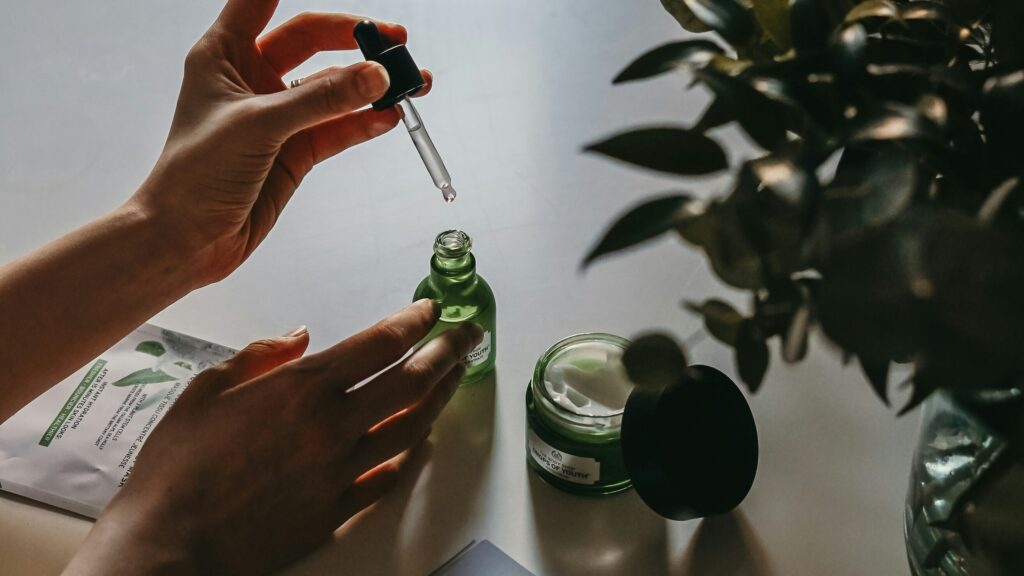
What to change depends on how your skin feels after application.
1. Stop if the product causes a reaction
If your skin turns red, becomes itchy, or swells, gently wash it off and stop using it. Don’t keep applying it to see whether your face will adjust, or cover it with additional layers in an attempt to make it tolerable.
2. If it only feels insufficient, review your moisturizer
If you have no redness, itching, or burning, consider whether your routine provides enough lasting comfort.
Are you just using a lightweight serum? It might be best to add a moisturizer. If you already apply one, assess whether it leaves your face comfortable or whether dryness returns soon afterward.
Also, an HA-containing moisturizer doesn’t need another cream just because it contains a humectant. Judge the product by its overall performance.
3. Apply moisturizer while skin is slightly damp
The AAD recommends applying moisturizer after washing, while skin remains slightly damp, to relieve dry skin. Creams and ointments are generally more effective than lotions for dry skin, and gentle, fragrance-free products are recommended.
Gently pat dry after rinsing and moisturize before your skin is completely dry. The damp-skin application method is a sensible adjustment. You can’t use it as a ritual to rescue an otherwise uncomfortable product.
4. Change one thing at a time
To assess whether the serum contributes to mild dryness, leave it out while keeping your familiar, well-tolerated basic routine consistent.
Avoid replacing the cleanser, introducing a richer cream, and switching serums at the same time. You may feel better, but you will have little idea which change helped.
Also, pay attention to these outcomes:
- Does your face feel more comfortable without the serum?
- Is the tightness already present after cleansing?
- Does your usual moisturizer provide enough comfort on its own?
5. Leave the serum out if it keeps disappointing you
If it adds no noticeable benefit, leaves an unpleasant feel, or requires several extra purchases to make the routine comfortable, just drop it. A simpler routine is easier to manage than one built around compensating for a troublesome step.
If dryness continues despite removing the product and using gentle care, seek an assessment rather than cycling through more hydrating serums.
Do You Need a Different Hyaluronic Acid Product?
Before buying a replacement, consider what you want the product to do. Are you looking for a cleanser that leaves your face comfortable, a lightweight hydrating layer, or a face mask that keeps dryness under control? Hyaluronic acid can appear in each, but an HA product isn’t required for a well-moisturized face.
If your current formula leaves you uncomfortable, choosing another product just because it has a different type or concentration of HA may miss the real issue. Focus on whether the complete formula suits your needs rather than making HA the deciding factor.
You can choose a different HA-containing product or one without it. You don’t need to keep the ingredient in your routine—or avoid it altogether—because of one disappointing experience.
🧪Lab Verdict
The blanket claim that hyaluronic acid pulls water out of skin and leaves it dehydrated goes beyond the evidence. Tested HA formulas can improve hydration, while individual products can still disappoint or irritate.
If your skin feels dry, review whether the formula provides enough moisturization. If it burns, itches, or causes a rash, stop using it. Judge the product by how your skin responds, not by one ingredient’s “reputation.”