

If you’ve read any fall skincare advice before, you already know the standard line. The air gets drier, your skin gets dehydrated, so swap in a heavier moisturizer and call it a day. It’s not wrong, exactly. But it’s incomplete. The actual research on what happens to skin in colder, drier months is more layered than that. Understanding it makes the difference. A good routine helps. A bad one just adds more product for the sake of it.
This isn’t about overhauling everything you own the moment temperatures drop. It’s about understanding what’s genuinely changing on your skin. Then you can adjust with intention instead of guesswork.
What Really Happens to Skin in Fall
The mechanism most people point to is transepidermal water loss (TEWL). That’s the rate at which water evaporates from your skin’s surface. A 2015 study tested this directly. Low humidity combined with low temperature reduced skin barrier function. It also left skin more vulnerable to mechanical stress, like friction from fabric, harsh cleansing, or over-exfoliating.
Here’s the nuance most routine guides skip. A 2022 systematic review looked at TEWL and environmental factors. Controlled climate-chamber studies consistently show TEWL rising as humidity drops. But real-world studies measuring actual indoor humidity found no such consistent link. In other words, “the air is dry, so your skin is dehydrated” isn’t the full story. Temperature swings matter too. So does mechanical stress on the barrier, maybe even more than humidity alone. That distinction matters practically. A humidifier alone isn’t a guaranteed fix. It also explains why some people notice dramatic fall dryness while others barely notice a change.
A separate study tracked seasonal skin changes. It found that TEWL, skin pH, and cutaneous blood flow all shift measurably between summer and winter. People with different types of sensitive skin also responded differently. Some groups showed sharper increases in water loss. Others showed changes in pH or blood flow, with little change in TEWL at all. So “fall skin” isn’t one universal experience. There’s no single universal fix, either. Pay attention to how your specific skin reacts. Don’t just copy the exact swaps everyone else is making, especially if your skin doesn’t match the “classic” dry-in-winter profile.
The Core Routine Swaps
The general direction dermatologists recommend does hold up, even with the nuance above. Here’s how a typical routine shifts from summer to fall, based on guidance from board-certified dermatologists S. Tyler Hollmig, MD, and Rebecca Baxt, MD:
| Step | Summer | Fall |
|---|---|---|
| Cleanser | Foaming or oil-control | Gentle, hydrating, non-stripping |
| Moisturizer | Lightweight gel or lotion | Richer, cream-based with ceramides |
| Exfoliation | Frequent, stronger acids | 1–3x per week, gentler acids (lactic acid, PHAs) |
| Hydration layer | Optional | Serum with hyaluronic acid, niacinamide, or panthenol |
| Shower water | Any temperature | Warm, not hot |
| SPF | Daily | Still daily, broad-spectrum SPF 30+ |
Dr. Hollmig notes that fall is often called “eczema season” for a reason: as humidity drops, water evaporates from the skin faster, and dry skin loses its ability to protect itself from irritation. Dr. Baxt adds that the moisturizer step is usually the biggest adjustment, and recommends matching the product to your skin type: a lightweight lotion for oily skin, a cream for combination skin, or a heavier ointment for dry skin.
A few of these deserve more context. Switching to a richer moisturizer doesn’t mean grabbing the heaviest cream you can find regardless of your skin type. It means matching the formula to how your skin actually behaves, and looking for ingredients that reinforce the skin’s own barrier, like ceramides and fatty acids. Dialing back exfoliation isn’t about stopping entirely, either. It’s about reducing frequency and strength. That way you’re not compounding barrier stress with mechanical stress at the same time.
None of these swaps need to happen overnight. Ease into them over a couple of weeks. Watch how your skin responds before committing to a full new lineup. If your skin doesn’t show much change in the first few weeks of fall, that’s not a sign you’re doing something wrong. It may just mean your skin type is less reactive to seasonal shifts. The variability found in the seasonal-change research supports that.
Retinoids in Fall: Timing and Routine
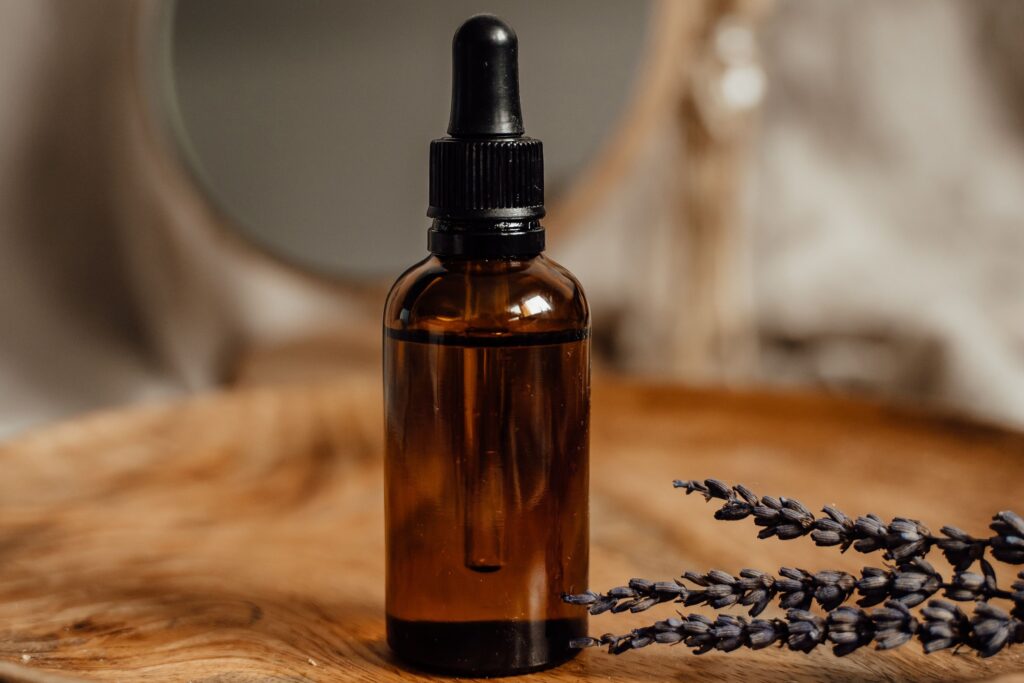
Fall is often recommended as a good time to start or restart retinoids. Sun exposure and UV intensity are typically lower this time of year. That reduces some of the sensitivity and photosensitivity risk tied to retinoid use. It’s a reasonable point. But it comes with a catch that’s easy to miss. Introducing a retinoid while your barrier is already adjusting to lower humidity and temperature can stack irritation instead of preventing it.
If you’re adding a retinoid this season, go slow. Start with a lower frequency, like two to three nights a week instead of nightly. Make sure your hydration layer and moisturizer are solid first. Don’t wait until you already notice flaking or tightness. If you’re already using a retinoid and notice more irritation once temperatures drop, that’s not necessarily a sign the product stopped working. Your skin may just need more buffering right now than it did over the summer. That could mean a moisturizer applied before the retinoid, or a temporary drop in frequency.
Common Mistakes to Avoid
A few patterns show up again and again in dermatology guidance. They need to be called out directly, since they tend to undo whatever careful adjustments you’ve made elsewhere in your routine.
- Sticking with an unchanged summer routine, assuming it will still work once temperatures and humidity drop
- Adding several new actives at once, like a retinoid, a new acid, and a new serum in the same week, instead of one at a time
- Skipping SPF because the sun feels weaker or the days are shorter, even though UV exposure doesn’t disappear
- Treating early irritation, like tightness, flaking, or redness, as a reason to add more products instead of simplifying
- Assuming a humidifier alone will fix seasonal dryness, when temperature and mechanical stress play a comparable role
A humidifier isn’t a bad idea. But treating it as a fix oversimplifies what’s actually happening. The real evidence on humidity and TEWL is mixed.
🧪Lab Verdict
Fall skin changes are real. But the cause runs deeper than “dry air equals dehydrated skin.” Temperature drops and mechanical stress on the barrier matter just as much as humidity. How your skin responds is individual, not universal. The practical takeaway still holds. Shift toward richer, barrier-supporting moisturizers. Use gentler, less frequent exfoliation, and warm rather than hot water. Introduce any new actives, especially retinoids, slowly and with extra hydration support. Treat irritation as a cue to pull back, not a reason to layer on more.
Leave a Reply