

The short answer is yes, but not as dramatically as most seasonal checklists suggest. Heat and humidity measurably change sebum output, water loss, and skin surface pH, which is why skin behaves differently in summer. The fix is adjusting product weight and frequency, not rebuilding your entire routine from scratch.
What Heat Does to Your Skin
Summer skin changes are physiological, not random. Research on summer environmental exposure shows that hot conditions increase sweat production, sebum secretion, and transepidermal water loss (TEWL), while also lowering skin surface pH slightly.
Heat directly stimulates the sebaceous glands, which is the core reason oily skin often gets oilier in summer and even normally balanced skin can feel shinier by midday. Sebum also becomes more fluid at higher skin temperatures, meaning it spreads across the surface more easily rather than staying contained near the pore, which partly explains the widespread, all-over shine many people notice in hot weather rather than shine limited to just the T-zone.
Sweat is a separate process from sebum, but the two mix on the skin’s surface, and that combination is part of why pores can feel more congested and prone to breakouts during hot, humid months.
None of this means your skin is malfunctioning. It means your skin is responding accurately to its environment, and the routine needs to respond too.
The Moisturizer Myth
One of the most common mistakes is dropping moisturizer entirely because skin already feels oily. This usually backfires. Dermatologists are clear that oily and acne-prone skin still needs a moisturizer in summer, just a lighter one.
When skin is stripped of hydration, it can respond by producing even more oil to compensate, which works against the goal of reducing shine. This creates a frustrating cycle: skin feels oily, moisturizer gets skipped, skin becomes dehydrated at a cellular level, and oil production increases further to compensate, leaving skin looking even shinier than before.
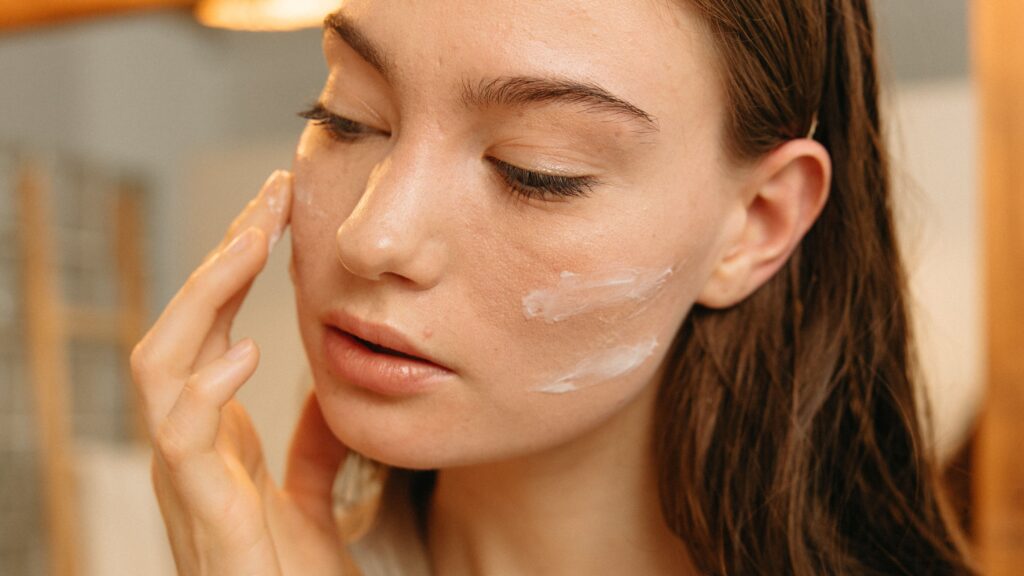
The better fix is switching the type of moisturizer, not skipping the step altogether. Gel-based, water-based, or oil-free lightweight formulas provide hydration without adding the heaviness that clogs pores in warm weather. Ingredients like hyaluronic acid are especially useful here, since they draw water into the skin without leaving behind a heavy film the way richer creams can.
What to Actually Change in Your Routine
According to dermatologists, most people don’t need more products in summer, they need lighter formulas and better sun protection habits. Here’s where the real adjustments matter:
| Step | Summer Adjustment |
|---|---|
| Cleanser | Switch to a gel or lotion-based cleanser instead of a heavier oil-based one |
| Moisturizer | Choose lightweight, oil-free, or gel formulas with humectants like hyaluronic acid |
| Actives | Niacinamide and azelaic acid tend to tolerate heat well; ease into new exfoliating acids since sun sensitivity can increase |
| Sunscreen | Reapply every two hours, more often after swimming or heavy sweating, this matters more than upgrading SPF number |
| Exfoliation | Once weekly is generally enough; over-exfoliating in summer raises irritation risk |
The theme across nearly all dermatologist guidance is consistent: lighten the texture of what you’re using, and tighten your sunscreen reapplication habits. Everything else stays largely the same.
It’s also worth noting that “lighter” does not mean “less effective.” A well-formulated gel moisturizer can deliver the same hydrating benefit as a heavier cream, the difference lies in the vehicle carrying the ingredients, not the ingredients themselves. This is a useful distinction to keep in mind while shopping, since heavier packaging or a thicker texture doesn’t automatically signal a stronger product.
Managing Increased Breakouts
Humidity’s effect on sebum, combined with sweat and outdoor exposure, is a common driver of summer breakouts, especially around the T-zone and hairline. For people already using azelaic acid or benzoyl peroxide as part of an acne routine, summer isn’t usually a reason to change ingredients, it’s a reason to be more consistent about rinsing sweat and buildup promptly after exercise or time outdoors.
Cleansing after heavy sweating, rather than waiting for a scheduled routine step, helps prevent the oil-sweat combination from sitting on the skin longer than necessary. This is particularly relevant for anyone active outdoors in summer, since sweat left on the skin for extended periods gives bacteria and clogged debris more time to interact with oil sitting in the pore.
What Doesn’t Need to Change
It’s worth saying plainly: this is not a full routine overhaul. The core structure, cleanse, treat, moisturize, protect, stays the same across seasons. Retinoids and other actives can generally stay in a routine through summer if they’re already well tolerated; the main consideration is timing them at night and staying diligent with daytime SPF, since some actives increase photosensitivity.
If your current routine already uses lightweight products and consistent sunscreen, there may be very little to change at all. The instinct to add several new summer-specific products is often unnecessary, and in some cases can introduce more irritation than the season itself would have caused.
🧪 Lab Verdict
Summer doesn’t call for a new routine, it calls for a lighter version of your current one. Heat measurably increases sebum and water loss while shifting skin’s surface pH, and that’s exactly why oil and mild breakouts tend to increase in warm months. The two changes that actually matter are switching to lighter, oil-free formulas and reapplying sunscreen more consistently throughout the day. Everything else, your actives, your core steps, your nighttime routine, can generally stay exactly as it is.
FAQs
Does oily skin need moisturizer in summer?
Yes. Skipping moisturizer can cause skin to overproduce oil to compensate for lost hydration. A lightweight, oil-free formula hydrates without adding heaviness.
Why does my skin get oilier in humid weather?
Heat directly stimulates the sebaceous glands, increasing sebum output, and higher temperatures also make that sebum more fluid. Sweat then mixes with that oil on the skin’s surface, which is part of why skin can feel both sweatier and shinier in summer.
Should I stop using retinoids in summer?
Not necessarily. Most people can continue using retinoids at night as long as they stay consistent with daytime sunscreen, since retinoids can increase sun sensitivity.
References
- Kim, S et al. (2019). Influence of exposure to summer environments on skin properties.Journal of the European Academy of Dermatology and Venereology. https://pubmed.ncbi.nlm.nih.gov/31199529/
- Health.com. (2026). Should I Change My Skincare Routine for Summer? https://www.health.com/change-skincare-routine-for-summer-12012445
- The Inkey List. (2026). Oily Skin in Summer: How to Keep Shine Under Control. https://www.theinkeylist.com/blogs/news/oily-skin-in-summer-how-to-keep-shine-under-control
- Mount Sinai Health System. (2022). Should I Change My Skin Care Routine With the Seasons? https://health.mountsinai.org/blog/should-i-change-my-skin-care-routine-with-the-seasons/
- Cetaphil. (2026). How To Take Care of Oily Skin in Humid Weather. https://www.cetaphil.com/us/skincare-tips/how-to-care-for-oily-skin-in-humid-weather.html
Leave a Reply