
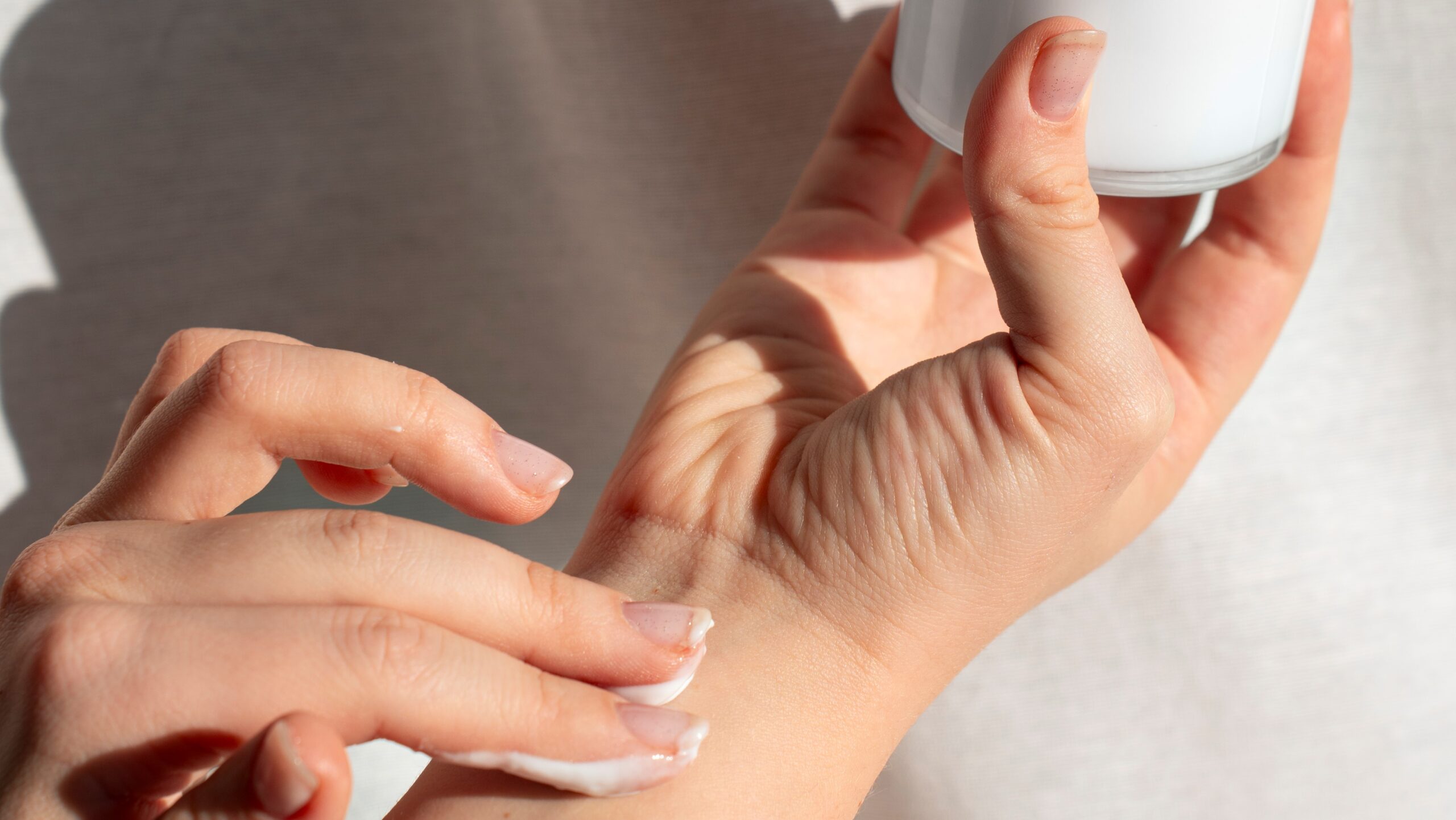
If you’ve scrolled through skincare content this season, you’ve probably seen “skin milk” everywhere. New serums, toners, and moisturizers are all borrowing the name. But here’s the twist: most of them contain no actual milk. The real story isn’t about milk at all. It’s about which specific ingredients are doing the work. And whether those ingredients hold up to scrutiny.
This is a case where the label tells you almost nothing. The ingredient list tells you everything. So let’s break down what’s actually happening inside these products, piece by piece.
“Skin Milk” Is a Texture, Not an Ingredient
Skin milk isn’t a regulated term. It isn’t a defined ingredient category, either. It’s a texture description. These products sit somewhere between a lightweight lotion and a watery serum, with a fluid, almost pourable consistency. That’s the entire definition. Brands are naming products after how they feel on skin, not what’s actually inside them.
Most skin milks are built from a familiar set of actives:
- Hyaluronic acid for hydration
- Glycerin as a humectant
- Ceramides for barrier support
- Lactic acid (in some formulas) for gentle exfoliation
None of that is new science. It’s a repackaging of proven ingredients into a new sensory format, largely aimed at people who find heavier creams too rich, or find serums too thin.
That doesn’t make the format bad. A lighter texture can suit certain skin types or climates better, especially during humid months or for oilier skin that still wants a hydration step. But it does mean the word “milk” on the label is doing more marketing work than ingredient work. Don’t pay a premium expecting a dairy-derived miracle. Read the ingredient list instead, and compare it to a plain serum with the same actives before assuming the “milk” version offers something extra.
Real Milk-Derived Skincare Is a Separate Trend

There’s a different category worth distinguishing here: products made with actual milk, from goats, donkeys, or even breast milk. These aren’t texture plays. They contain real dairy proteins like casein and whey, along with naturally occurring lactic acid.
- Donkey milk is often highlighted for its lactic acid content and anti-inflammatory properties, which is why it shows up in products aimed at sensitive or inflamed skin
- Goat milk gets attention for its fatty acid and vitamin content, and it’s frequently marketed toward dry or mature skin types looking for extra richness
Here’s the important thing, though. Most of the research on milk and skin doesn’t isolate the source of any benefit. It’s unclear whether milk itself is responsible, or whether the lactic acid naturally present in milk is doing the heavy lifting. Lactic acid alone is well studied. Milk as a whole ingredient is studied far less. So when a product claims milk-specific benefits, ask a simple question: would a standalone lactic acid formula do the same job? Often, the answer is yes, at a lower price and with a more predictable, listed concentration rather than a variable, naturally occurring one.
The Two Ingredients Backed by Research
This is where the trend earns some real credibility. Two specific actives, often found inside “milk” and amino acid formulas, have solid evidence behind them.
| Ingredient | What it does | Evidence |
|---|---|---|
| Lactic acid | Loosens bonds between dead skin cells, speeding up cell turnover and exfoliation | 1996 JAAD study found 12% concentration increased skin thickness and firmness; 2024 review confirms the mechanism |
| Ectoin | Forms a protective layer around cell membranes, locking in moisture and supporting the barrier | 2022 clinical review found reduced water loss and improved hydration over 6 months; registered clinical trial measured results with objective instruments |
Lactic acid is one of the more thoroughly studied alpha hydroxy acids, known as AHAs. The 1996 study tested 5% and 12% concentrations directly. The higher concentration increased epidermal and dermal thickness and improved firmness. The lower concentration produced more surface-level exfoliation without the same deeper changes. The 2024 review confirms lactic acid loosens the bonds holding dead skin cells together, the same basic mechanism as glycolic acid, just gentler and better tolerated across more skin types.
Ectoin is a compound naturally produced by certain bacteria that thrive in extreme environments, like salt lakes and deserts. It’s increasingly showing up in barrier-focused formulas and gentle cleansers. Unlike a lot of trending ingredients that ride mostly on marketing buzz, ectoin has real clinical backing behind it. The 2022 review found measurable reductions in water loss over a six-month trial in people with an already-impaired skin barrier. The registered clinical trial used objective instruments, like corneometers and tewameters, rather than relying on how people said their skin felt.
That combination of mechanism and measurement is rare for a newly trending ingredient. Most buzzy actives get popular before the research catches up to them. Ectoin is one of the few cases where solid evidence arrived early in the hype cycle rather than years after it.
What About Broader “Amino Acid” Claims?
Amino acid formulas are also showing up in cleansers now, marketed as gentler alternatives to traditional surfactants. The logic holds up reasonably well: amino acid-based surfactants tend to be less stripping than sulfates, which matters for anyone dealing with a compromised barrier or reactive skin.
But not every amino acid claim carries the same weight as ectoin’s data. Before trusting the label, ask:
- Does the product name a specific, studied compound like ectoin, or a specific amino acid?
- Or does it just gesture vaguely at “amino acid technology” without any real specificity?
If it’s the second, treat the claim as more marketing than evidence.
What This Means for Your Routine
None of this means you need to avoid skin milk products entirely, or chase down ectoin as a cure-all. It means shopping a little differently:
- Skip the name on the front of the bottle
- Go straight to the ingredient list on the back
- Look for lactic acid if you want gentle exfoliation with real research behind it
- Look for ectoin if barrier support and hydration are your main goal
- Treat vague terms like “milk” or “amino acid complex,” with nothing specific named, as a signal to look closer, not a reason to buy in
🧪Lab Verdict
“Skin milk” is mostly a texture and marketing story, not an ingredient breakthrough. But some of what’s actually inside these products has solid research behind it, lactic acid and ectoin especially. Judge the ingredient list, not the label on the front. If a formula names specific, studied actives, the trend is worth trying. If it just leans on a trendy word with nothing specific behind it, it’s probably not doing anything a plain hyaluronic acid serum couldn’t already do.
FAQ
Is “skin milk” safe for sensitive skin?
It depends entirely on the ingredients, not the texture. A skin milk built around hyaluronic acid and ceramides is generally gentle. One that includes a higher concentration of lactic acid may cause irritation for reactive or sensitized skin. Check the full ingredient list rather than assuming the lighter texture automatically means it’s milder.
Can I use lactic acid and ectoin in the same routine?
Yes. They don’t compete with each other. Lactic acid exfoliates the surface layer of skin, while ectoin supports the barrier and locks in moisture. Many people use a lactic acid product a few times a week and a barrier-focused, ectoin-containing formula daily.
Is ectoin the same thing as an amino acid?
Not exactly. Ectoin is often grouped with amino acid trends because it’s an amino acid derivative, but it functions differently from standard amino acids used in cleansers. Ectoin’s main role is barrier protection and moisture retention, while many amino acids in cleansers are there to gently lift dirt and oil without stripping the skin.
Leave a Reply